

From Nova Scotia Roots to Head Chef: Tina Wright on Food, Community, and the Future of Hospitality
In collaboration with Restaurants Association of Nova Scotia (RANS) and Foodbuy Canada
For Tina Wright, food has always been about connection.
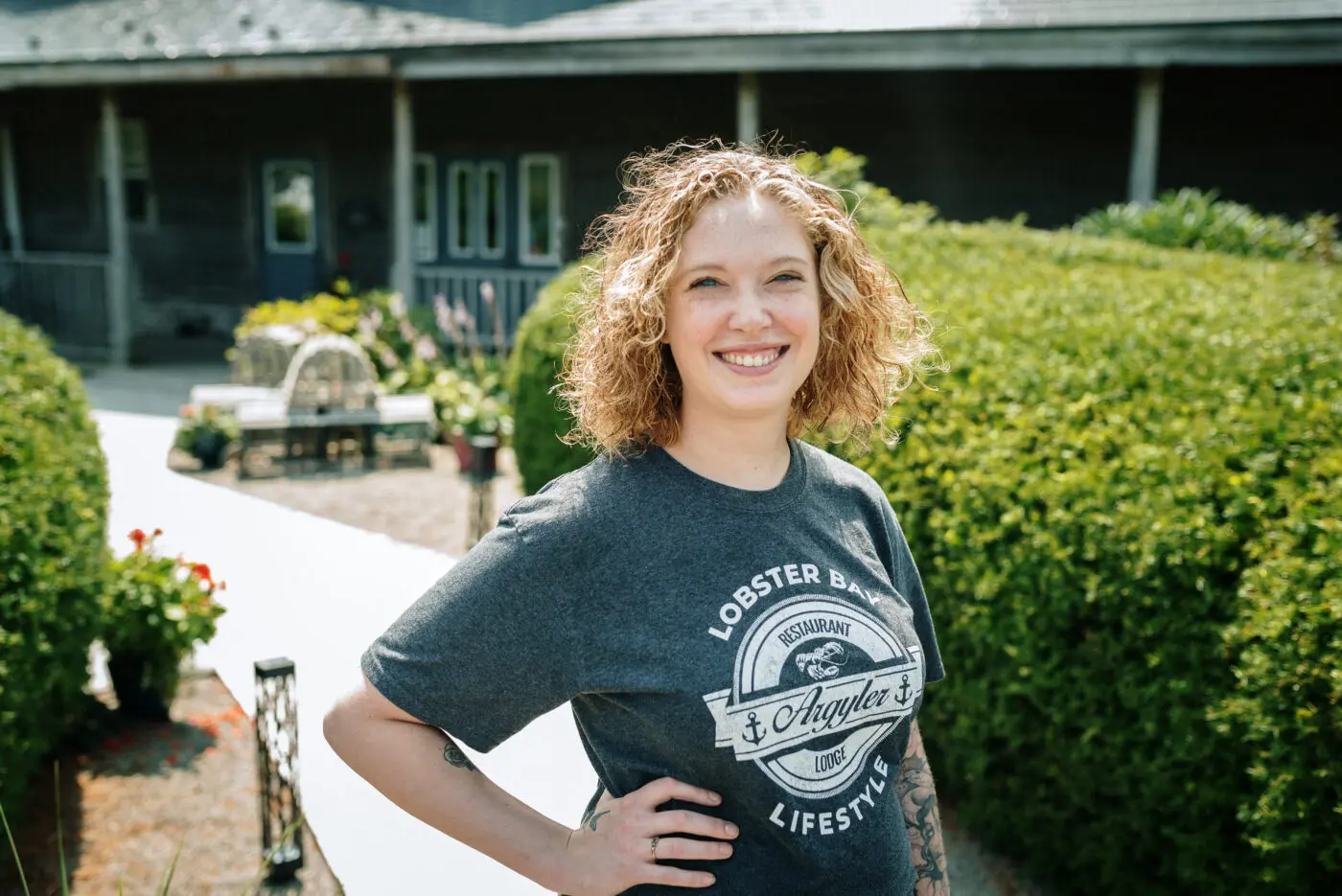
Whether it was helping her grandmothers in the kitchen as a child, preparing meals for large family gatherings, or welcoming guests from around the world to Nova Scotia’s South Shore, food has remained at the centre of some of life’s most meaningful moments. Today, as Head Chef at the Argyler Lodge & Restaurant in Yarmouth, Wright channels that passion into creating memorable dining experiences that reflect the people, places, and ingredients that make Nova Scotia unique.
A Journey Back Home
Born and raised in Yarmouth, Wright’s culinary journey officially began when she enrolled at the Culinary Institute of Canada at Holland College in Prince Edward Island, graduating from the Culinary Arts program in 2016.
After culinary school, she moved to Kingston, Ontario, where she gained experience in a variety of restaurant environments and continued developing her skills. Like many hospitality professionals, however, her career was disrupted by the COVID-19 pandemic.
 The setback ultimately led her back home to Nova Scotia, where she joined the Argyler Lodge & Restaurant. Six years later, she was promoted to Head Chef. While her career path has taken a few unexpected turns, her love of cooking has remained constant.
“My earliest memories are of being in the kitchen with my grandmothers,” says Wright. “Coming from a large family, there was always a reason to gather around the table. Food was always at the centre of those moments.”
More Than a Meal
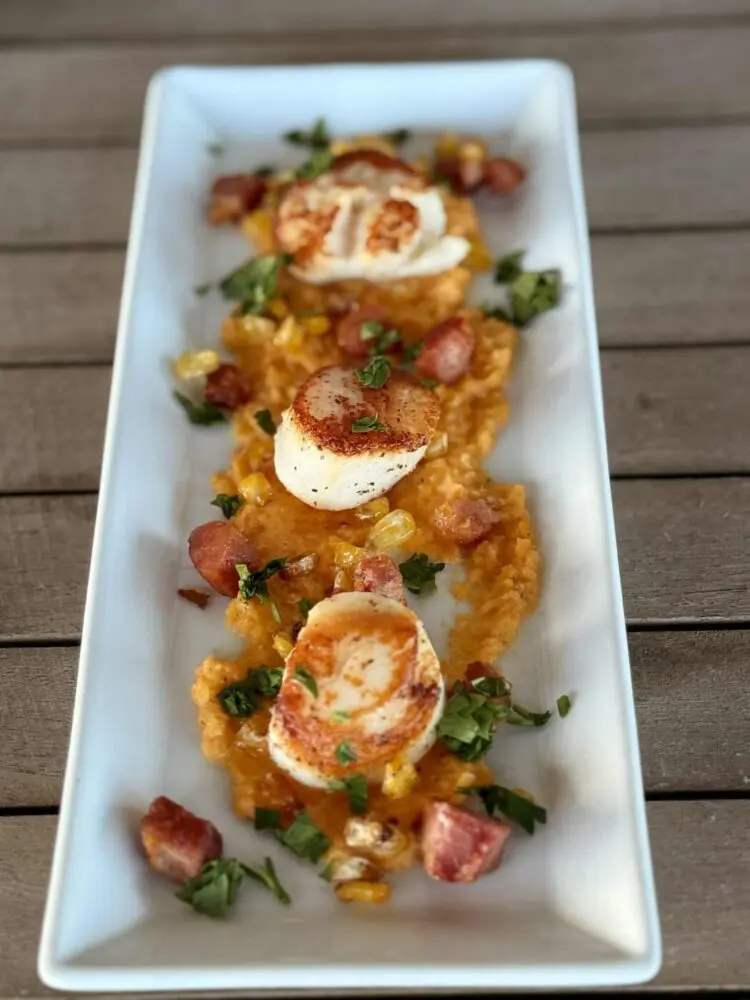
Wright’s relationship with food deepened as she got older. During her teenage years, she struggled with an eating disorder, and cooking became an important part of her healing journey.
“Learning about ingredients, techniques, and the care that goes into preparing a meal helped me rebuild a healthier relationship with food,” she explains.
That experience ultimately inspired her to pursue a career in the culinary industry and shaped the way she approaches food today. For Wright, cooking isn’t simply about nourishment. It’s about creating experiences, memories, and connections.
“Some of my favourite memories are tied to meals shared with family and friends. I love knowing that I have the opportunity to create those kinds of experiences for others.”
Showcasing Nova Scotia Through Food
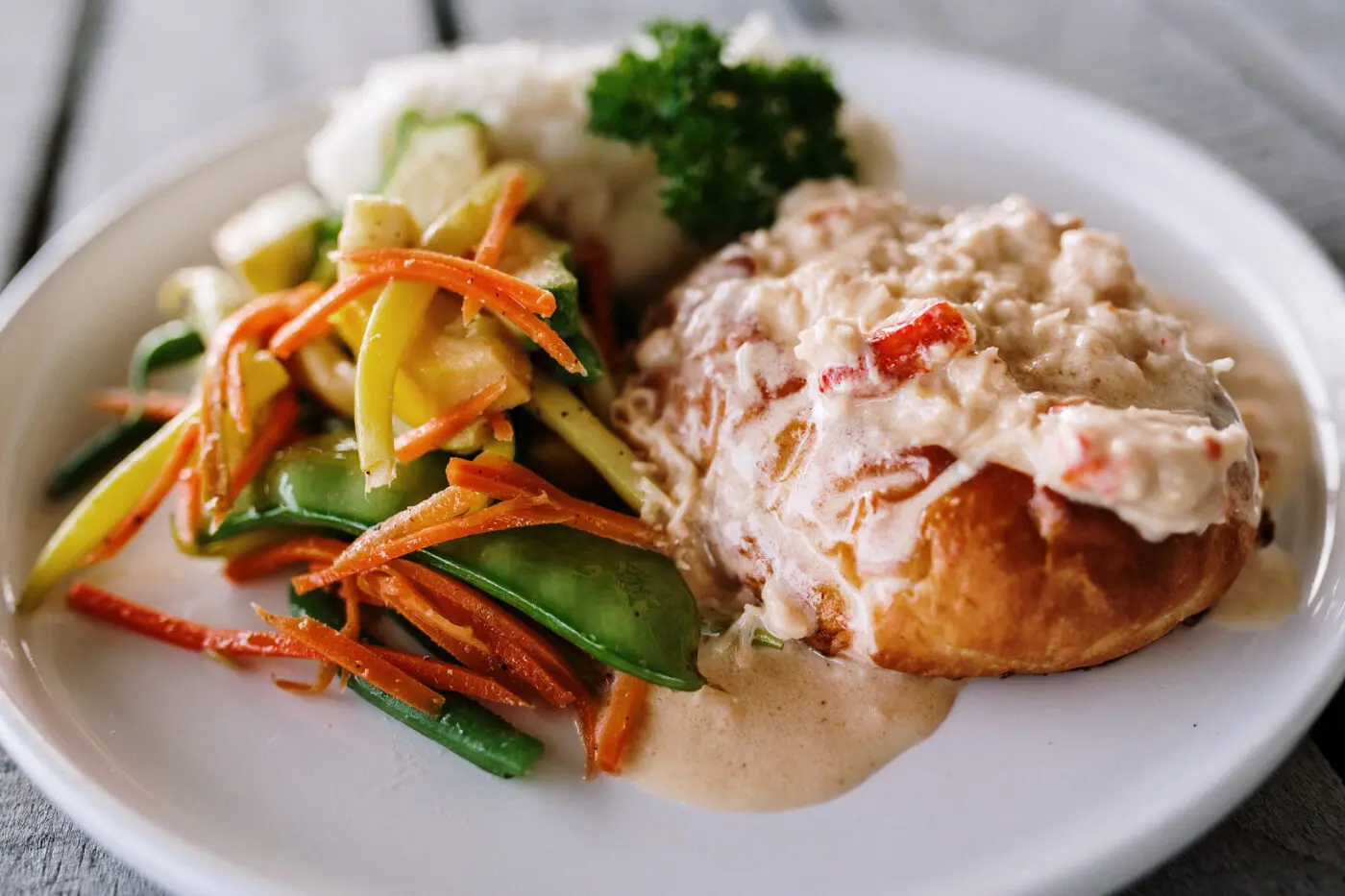 Located along Nova Scotia’s picturesque coastline, the Argyler Lodge welcomes guests from across Canada and beyond, many of whom are experiencing the province for the first time.
Wright sees every meal as an opportunity to provide visitors with an authentic taste of Nova Scotia hospitality.
“I want every meal that leaves the kitchen to reflect the hospitality, quality, and sense of peace that Nova Scotia is known for,” she says.
That commitment extends to sourcing local ingredients whenever possible. One of the initiatives she’s most proud of is the expansion of the lodge’s on-site garden. Fresh herbs, vegetables, berries, rhubarb, and fruit harvested from the property regularly find their way onto the menu. The approach not only enhances freshness and quality but also strengthens guests’ connection to the region.
“Guests appreciate knowing where their food comes from. It creates a sense of authenticity and gives them an experience they can’t get everywhere else.”
Embracing Change in a Challenging Industry
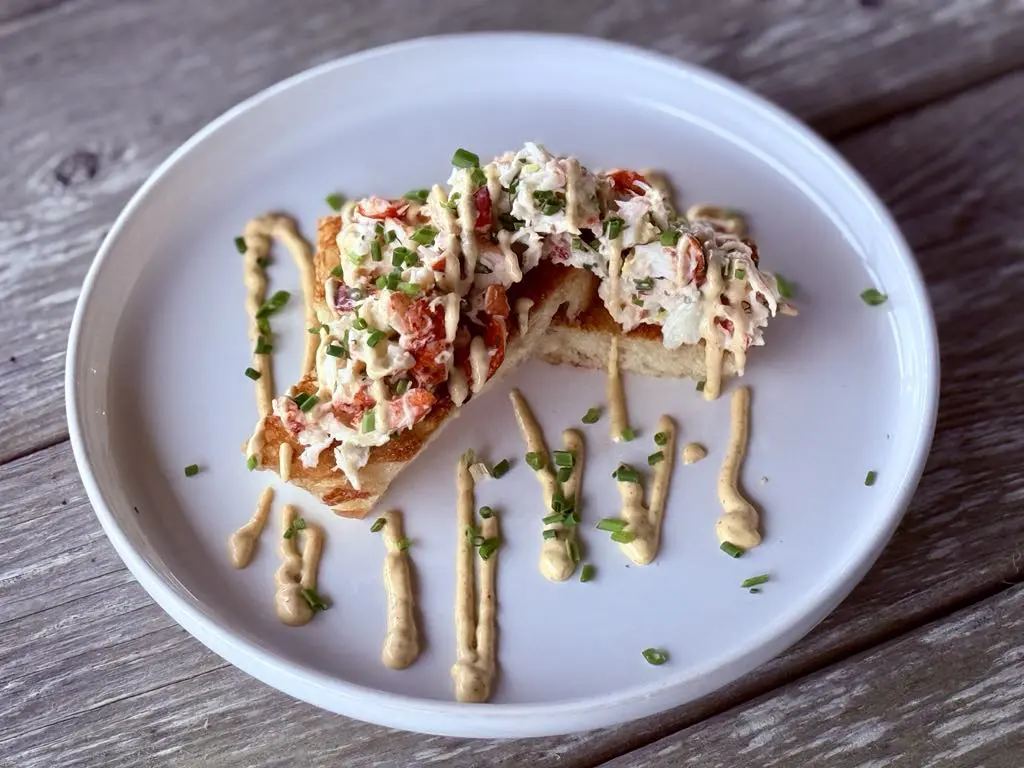 The restaurant industry is constantly evolving, and today’s operators face no shortage of challenges. Rising food costs, labour shortages, supply chain disruptions, and changing consumer preferences require businesses to be increasingly agile.
According to Wright, adaptability has become one of the most important skills a chef can develop.
“No two days are exactly the same,” she says. “Being successful means being willing to adjust menus, rethink recipes, manage costs, and find creative solutions without compromising quality.”
While those challenges can be demanding, Wright views them as opportunities to learn and grow. “The problem-solving aspect is one of the things I enjoy most. It pushes me to be creative and continuously improve.”
The Importance of Strong Partnerships
Navigating today’s operating environment also requires collaboration. As a member of both RANS and Foodbuy Canada, Wright says industry partnerships help independent operators access resources, information, and support that can make a meaningful difference.
Foodbuy has provided value through its purchasing programs, rebate opportunities, market updates, and access to supplier insights that help operators make more informed decisions.
“Having access to industry knowledge and procurement resources allows us to focus more of our time and energy on creating great dining experiences for guests,” says Wright.
However, she believes that success ultimately comes down to staying informed and taking advantage of available resources before challenges arise.
“Every dollar matters in this industry. Understanding the tools available to you and using them proactively can make a significant impact over time.”
Looking Ahead: The Future of Foodservice
When asked about emerging trends, Wright believes consumers are increasingly searching for experiences that go beyond the food itself. With rising living costs making dining out a more considered purchase, guests want meals that feel meaningful, memorable, and authentic.
“They’re looking for the story behind the food. They want to know where ingredients come from, how they’re produced, and what makes an experience unique.”
At the same time, she sees continued growth in local sourcing, sustainability, and menus that celebrate both regional ingredients and global culinary influences. For Wright, cultural flavours remain a major source of inspiration.
“Every cuisine tells a story. I enjoy learning about different cultures, techniques, and flavour combinations, then finding ways to incorporate those influences while still celebrating local ingredients and creating dishes that feel approachable.”
A Lesson Beyond the Kitchen
When asked what cooking has taught her, Wright doesn’t hesitate.
“Resilience,” she says. “And the understanding that food is ultimately about connection.”
It’s a lesson that has shaped both her career and her approach to hospitality. Food connects people to their memories, their communities, and one another. Whether she’s creating a comforting bowl of curried butternut squash soup, building a seasonal menu from local ingredients, or welcoming visitors to Nova Scotia for the first time, that belief continues to guide her work every day.
“Being able to create experiences that people will remember long after they’ve finished their meal is one of the most rewarding parts of being a chef,” says Wright. “That’s what continues to inspire me.”